Sports guide
Understanding Basketball Passing Decisions Under Pressure
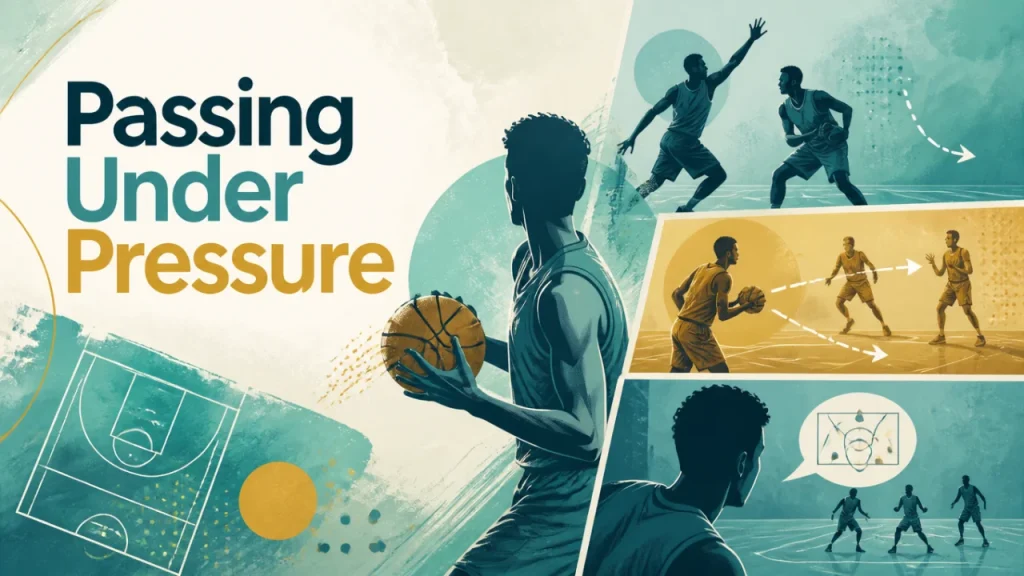
Making effective passing decisions under pressure is a cornerstone of successful basketball play. It separates good players from great ones, as the ability to deliver the ball accurately and timely when defenders are closing in can create scoring opportunities or relieve defensive traps. This guide will explore the key elements involved in these high-stakes decisions, including understanding decision windows, recognizing effective cuts, and navigating different types of defensive pressure.
The Importance of Decision Windows
A decision window in basketball refers to the brief period of time available for a player to make an optimal pass before a defensive opportunity closes or an offensive advantage disappears. These windows are often fleeting, sometimes lasting only a fraction of a second. Players must process information rapidly, including the position of teammates, defenders, and the basket, to exploit these openings.
- Early Recognition: Elite passers develop the ability to anticipate these windows even before they fully open. This means reading defensive rotations and predicting where teammates will be, rather than reacting solely to their current position.
- Peripheral Vision: Using peripheral vision allows a ball-handler to scan the court without telegraphing their intended pass. This keeps defenders guessing and helps identify open teammates or cutting lanes that might otherwise be missed.
- Ball Fake Utilization: A well-timed ball fake can momentarily widen a decision window by causing a defender to commit, creating space for a pass that was not initially available.
Reading Defensive Pressure
Defensive pressure significantly impacts passing decisions. Players must quickly assess the type and intensity of pressure to determine the safest and most effective passing option.
- Tight Man-to-Man Defense: When facing tight man-to-man coverage, passes often need to be sharper and quicker, targeting open spaces created by screens or cuts. Overhead passes or bounce passes can be effective to avoid deflections.
- Zone Defense: Against a zone defense, passers look for gaps between defenders, often targeting the high post or the short corner. These passes require precision to avoid turnovers, as zone defenders are positioned to cover passing lanes.
- Traps and Double Teams: When trapped, the primary objective is to get rid of the ball quickly and safely. This often involves a short, crisp pass to a nearby open teammate, known as a ‘hot potato’ pass, to break the trap and initiate ball movement.
Leveraging Teammate Cuts for Passing Opportunities
Teammate cuts are crucial for creating passing lanes and opening up scoring chances. A good passer understands how to use these movements to their advantage.
- Backdoor Cuts: When a defender overplays, a teammate can execute a backdoor cut towards the basket. A passer must recognize this immediately and deliver a bounce pass or a quick chest pass to lead the cutter for an easy score.
- V-Cuts and L-Cuts: These cuts are designed to shake off defenders and create space for a pass on the perimeter. The passer needs to anticipate the end of the cut and deliver the ball to the teammate’s shooting pocket.
- Flash Cuts: A flash cut into the high post or low post can draw defensive attention and create an immediate passing option. The passer must be ready to deliver the ball as soon as the cutter establishes position, before the defense can recover.
Ultimately, superior passing under pressure is a blend of vision, timing, and execution, honed through consistent practice and a deep understanding of offensive and defensive principles. Players who master these elements become invaluable assets, consistently creating opportunities for their team.
AI-generated illustrative image. It does not depict a real match.